Internal Medicine
Our RCVS and ECEIM recognised specialists work with our ambulatory team and referring vets to accept referrals for all types of medical investigation and treatment, including critical care.
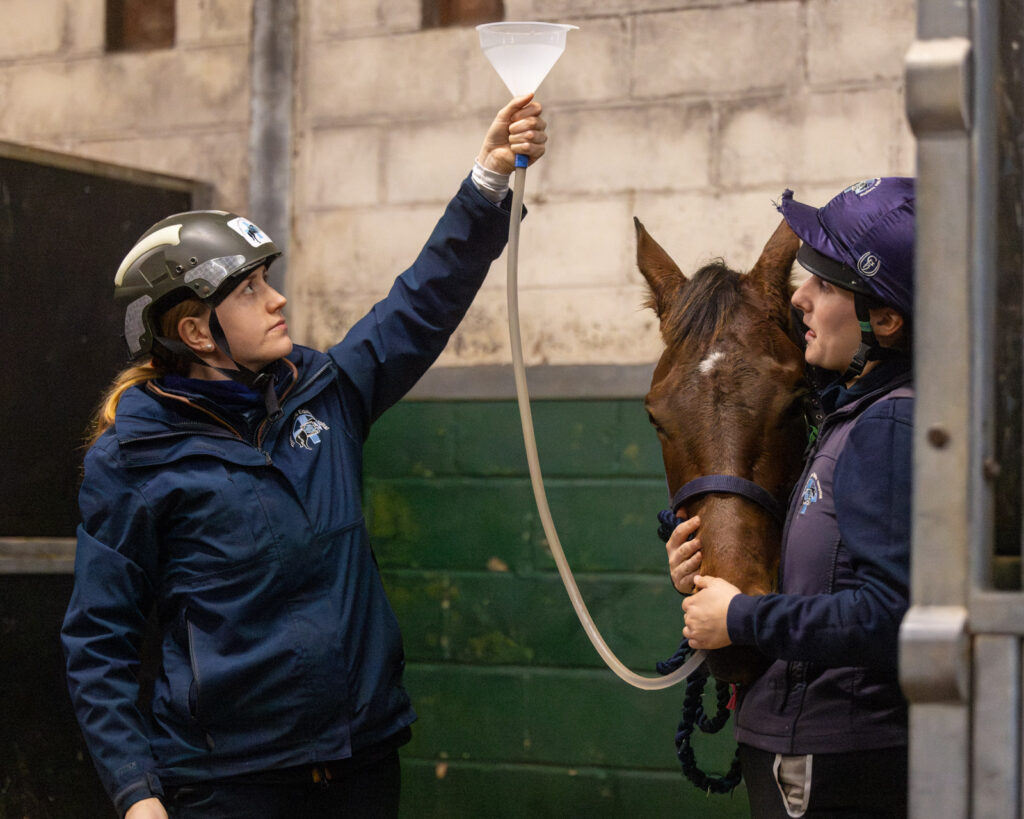
Our equine internal medicine service is led by RCVS and ECEIM recognised specialists in internal medicine. They have undergone specialist training and rigorous assessment to ensure that they provide a highly specialised, 24 hour service for the investigation and treatment of a variety of conditions (including neurological disease, cardiorespiratory disease, liver and kidney disease, gastrointestinal disease and colic). Horses can be seen as outpatients, allowing a range of diagnostic procedures to be performed in a logical and cost-effective manner in collaboration with clients, or they can be hospitalised for more involved investigation, 24/7 observation or critical care.
- Gastrointestinal disease and weight loss
- Respiratory Diseases
- Cardiac diseases
- Eye diseases
- Liver and kidney diseases
- Neurological disorders
- Dermatology
- Foal Medicine
- Headshaking
Gastrointestinal disease and weight loss
There are many possible causes of weight loss in the horse. Investigation may include physical and rectal examination, dental examination, blood analysis, analysis of peritoneal fluid, parasite assessment, faecal analysis, abdominal ultrasound and gastroscopy. Sections of the intestinal may be biopsied using endoscope guidance. Laparoscopy (keyhole surgery) can be performed to visualise the abdomen and occasionally full surgical exploration of the abdomen may be necessary.
Many of these investigations can be performed either at your premises or in the hospital if appropriate.
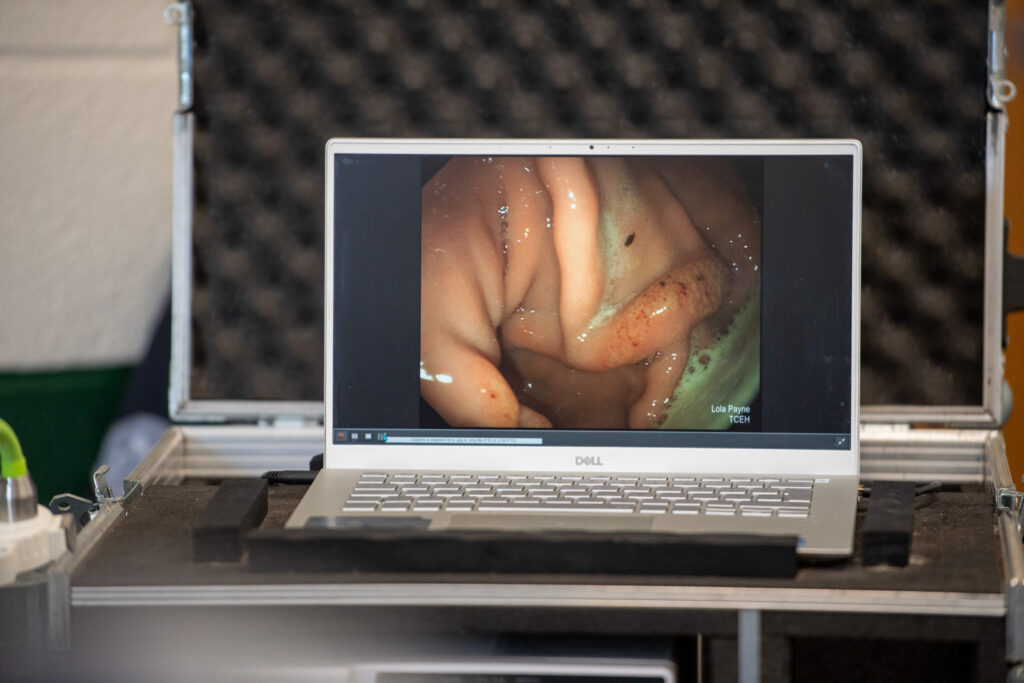
Gastroscopy is performed routinely either at your premises or in the hospital for the identification of gastric ulcers, which may cause behavioural changes, poor performance or abdominal pain.
Colic is a general term used to describe abdominal pain. Many of the above diagnostic tools can be used to identify the source of the pain, and often colic cases can be effectively managed with medical treatment. Managing horses in the hospital means that if the colic progresses, surgical treatment can be performed without delay, maximising the horse’s chance of a full recovery.
Respiratory Diseases
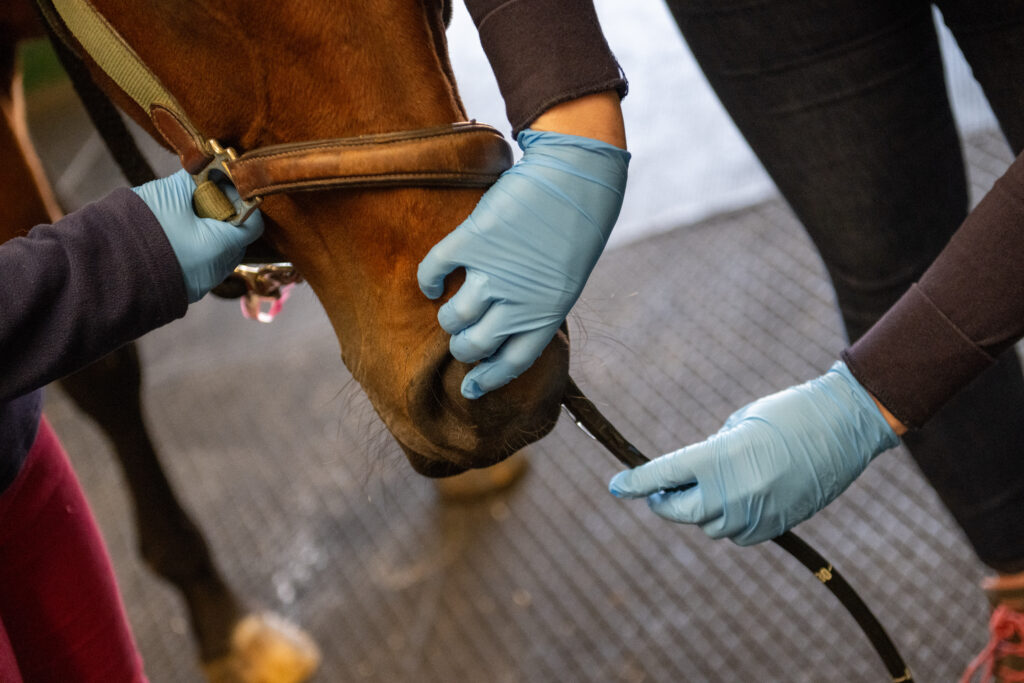
Our excellent diagnostic imaging equipment, including ultrasonography, endoscopy and radiography, can be used in conjunction with sampling of the respiratory tract to investigate respiratory disease. Many of these techniques can be performed at your premises, and for more advanced investigation horses can be seen in hospital. Our on-site laboratory allows rapid analysis of samples.
Dynamic endoscopy is available to allow assessment of the respiratory tract during ridden or lunging exercise. Upper respiratory obstruction during exercise can be performance or life limiting, and dynamic endoscopy allows quick identification of disease and in house referral of horses to our surgical team if required.
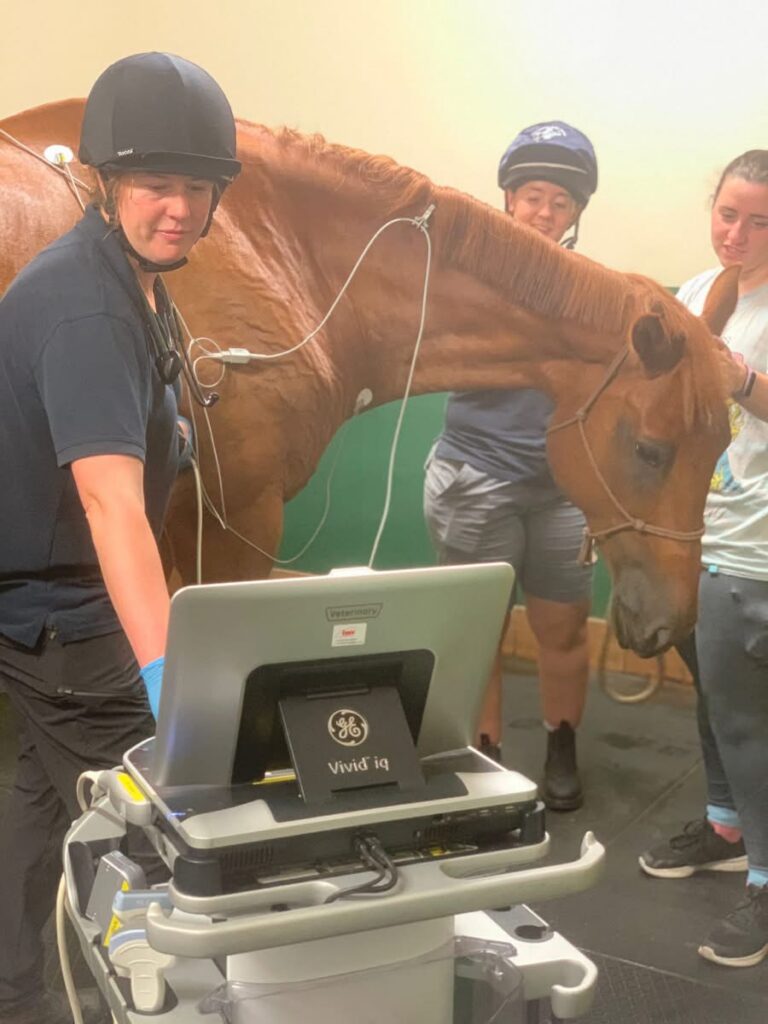
Cardiac diseases
Heart abnormalities in horses can range from being insignificant, performance-limiting or life-threatening and are often identified as murmurs, arrhythmias or exercise intolerance.
Cardiac disease can be comprehensively assessed using a combination of auscultation, echocardiography and electrocardiography, both at rest and at exercise. Once assessed, a plan can be made for each horse for ongoing management, exercise and follow-up.
Eye diseases
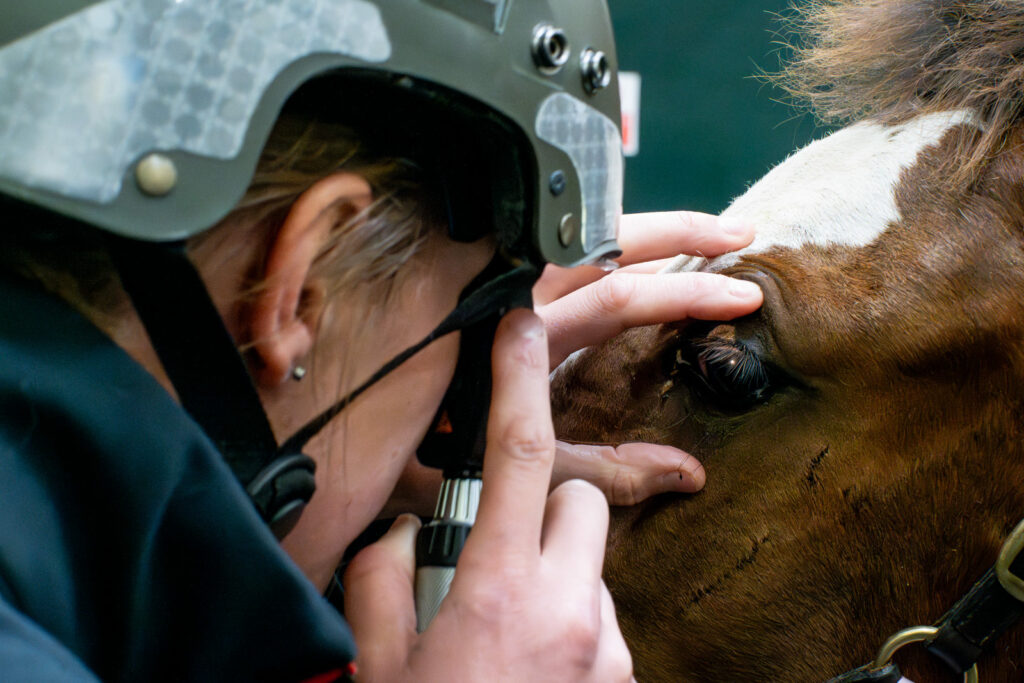
Eye diseases in horses are common and require appropriate treatment to prevent permanent damage, loss of vision or loss of the eye. Occasionally, eye disease requires very intensive treatment, including administration of eye drops every few hours, day and night. Our team can take the stress of treatment away by placing a treatment tube into the eye, allowing medication from a distance, and can perform treatments 24 hours a day. This means that many horses that are difficult to treat at home can be successfully and safely managed in the hospital.
Our team are trained by specialists in equine behaviour, and utilise a range of techniques based on clicker training and positive reinforcement. Eye disease and subsequent treatment can be painful and intense for the horse, however using these techniques we can establish excellent co-operation and therefore safe and effective treatment.
Liver and kidney diseases
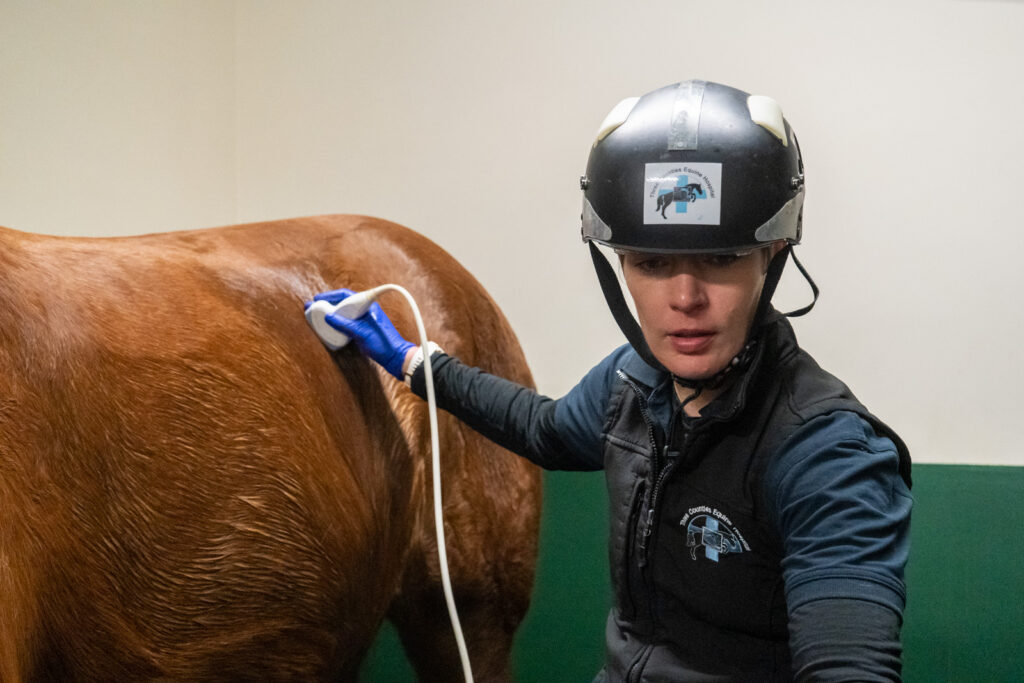
These diseases can develop insidiously, with non-specific signs such as lethargy, poor appetite and weight loss. Initial diagnosis is usually obtained using a combination of blood analysis, urine analysis (for kidney disease) and ultrasonography. More in depth diagnosis can be obtained using biopsies is appropriate. Our medicine specialist, Vicky Savage, has a particular interest in kidney disease and has published and lectured internationally on the subject. She was a part of a panel that compiled an expert consensus statement for the diagnosis and management of equine kidney disease.
Neurological disorders
Neurological disease in horses can originate from the brain, spinal cord or peripheral nerves and can be very subtle. It can be difficult to differentiate neurological disease from orthopaedic disease, and our multi-disciplinary team work together with our clients on these cases to determine the most appropriate diagnostic tests for each horse.
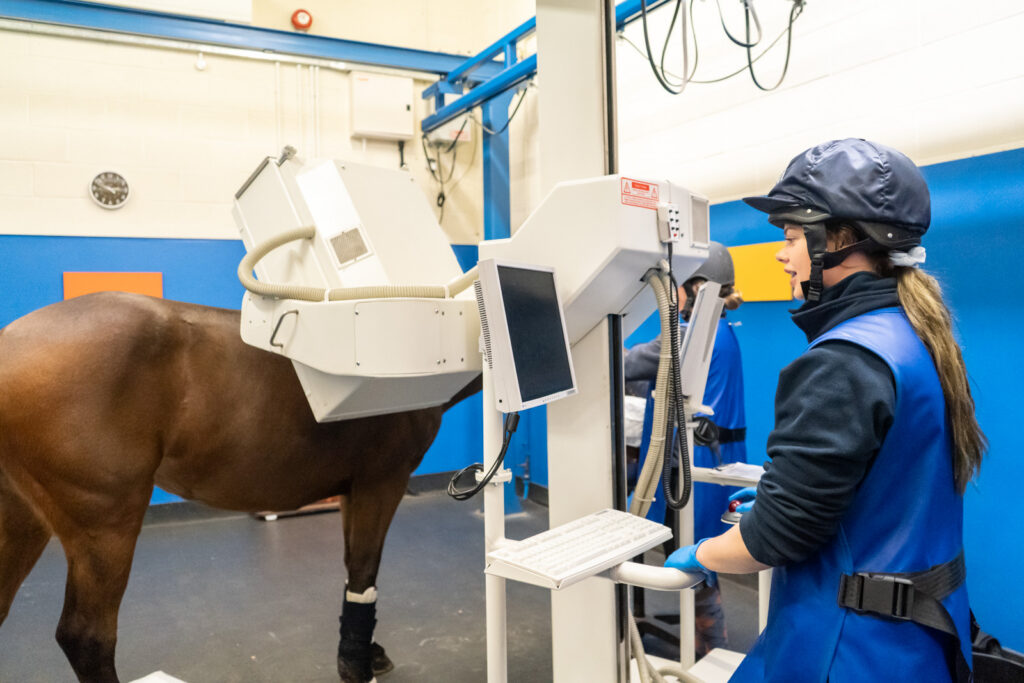
After examination and dynamic assessment, radiography and scintigraphy can be used to evaluate the spine to identify any areas which may affect movement or impinge on the spinal cord. Our hospital boasts the only MRI machine in the UK with the ability to provide a full, soft tissue image of the brain, allowing identification of abnormalities that may cause behavioural change, collapse or seizures. Cerebrospinal fluid sampling can be performed under sedation or general anaesthesia to assess inflammation or infection around the brain and spinal cord. For very severely affected animals that are struggling to move safely, hospitalisation in our padded box can be provided and they can be assisted to stand with the use of a specialist overhead hoist and sling if necessary.
Dermatology
Skin problems, including allergies, infection and auto-immune disease, can be difficult to diagnose as they may present with similar patterns. Additionally, skin disease may be reflective of internal disease, such as liver problems. Our hospital and ambulatory team offer routine and referral appointments for all types of dermatological conditions.
Foal Medicine
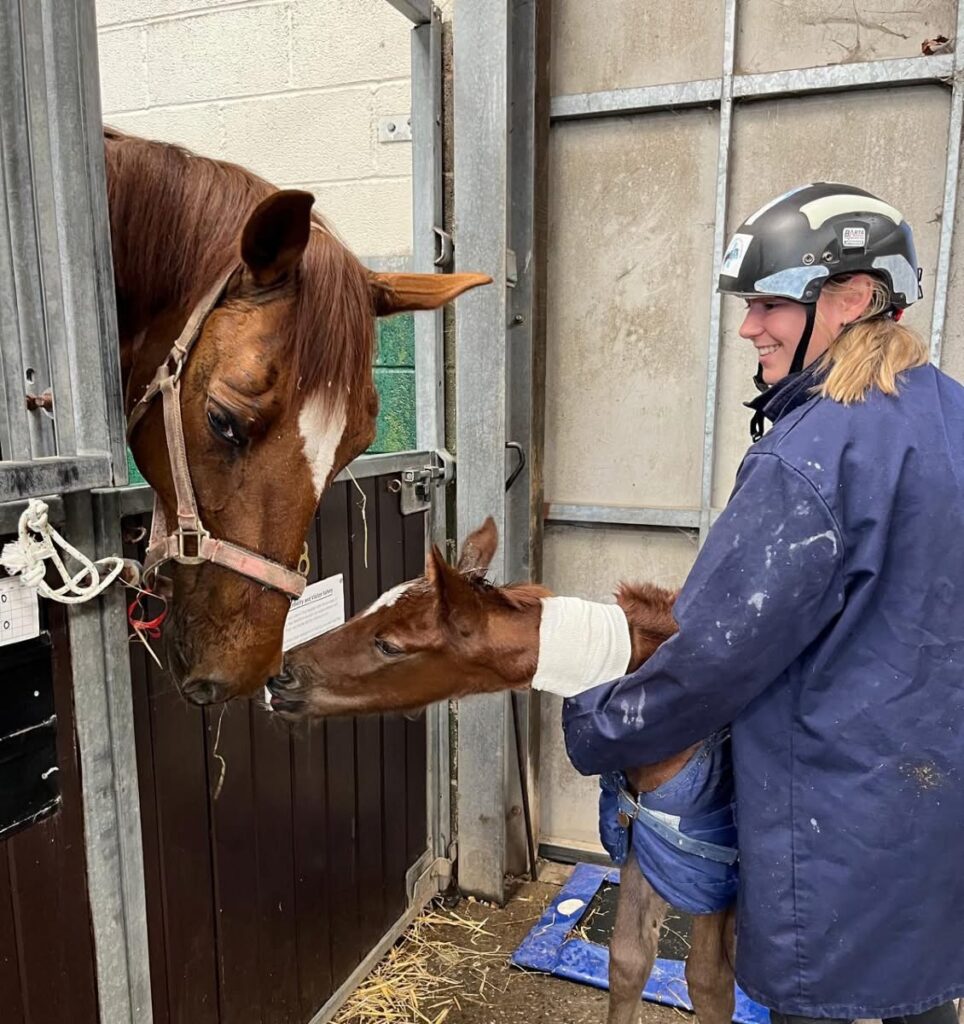
Sick, premature or dysmature foals may require intensive 24 hour veterinary and nursing care, and can deteriorate rapidly without prompt intervention. Our intensive care unit is equipped to provide specialist foal care, and our specifically designed stables allow stress free management of the mare whilst maintaining the bond with her foal.
Our multi-disciplinary hospital team and surgical facilities are fully equipped and our team are fully trained to rapidly evaluate mares with dystocia. The mare can be delivered by our surgical and reproductive team rapidly either by controlled vaginal delivery or caesarian section, and our medicine team are on hand resuscitate foals, maximising the prognosis for both mare and foal.
Headshaking
Horses shake their heads for a number of reasons, but sometimes headshaking may be associated with disease of the trigeminal nerve in the head, causing what we suspect is a burning or tingling feeling in the muzzle and characteristic vertical flicks and shakes of the head. These signs may be seen in combination with excessive snorting and rubbing of the muzzle. Signs typically appear very suddenly.
It is important to rule out other reasons for the horse to shake their head, for example tooth infections, cysts or trauma. We can provide investigation of headshaking in horses and a thorough discussion regarding treatment options for each horses dependent on the investigation and severity of signs. Our treatment of choice is electroacupuncture, which has been shown to have good success at reducing signs.
For further advice on any of the health conditions mentioned here, please don’t hesitate to reach out to the practice on 01684 592099.
We are here to help
Reach out to our team with any questions or to arrange an appointment — we are always happy to hear from you.